
How to prepare for your first rheumatology appointment
Introduction to Rheumatology
Preparing for your first rheumatology appointment can be a bit daunting. Whether you're experiencing joint pain, stiffness, or other symptoms, a specialist who can help diagnose and manage conditions affecting your joints, muscles, and bones. This guide will help you feel prepared and confident for your visit.
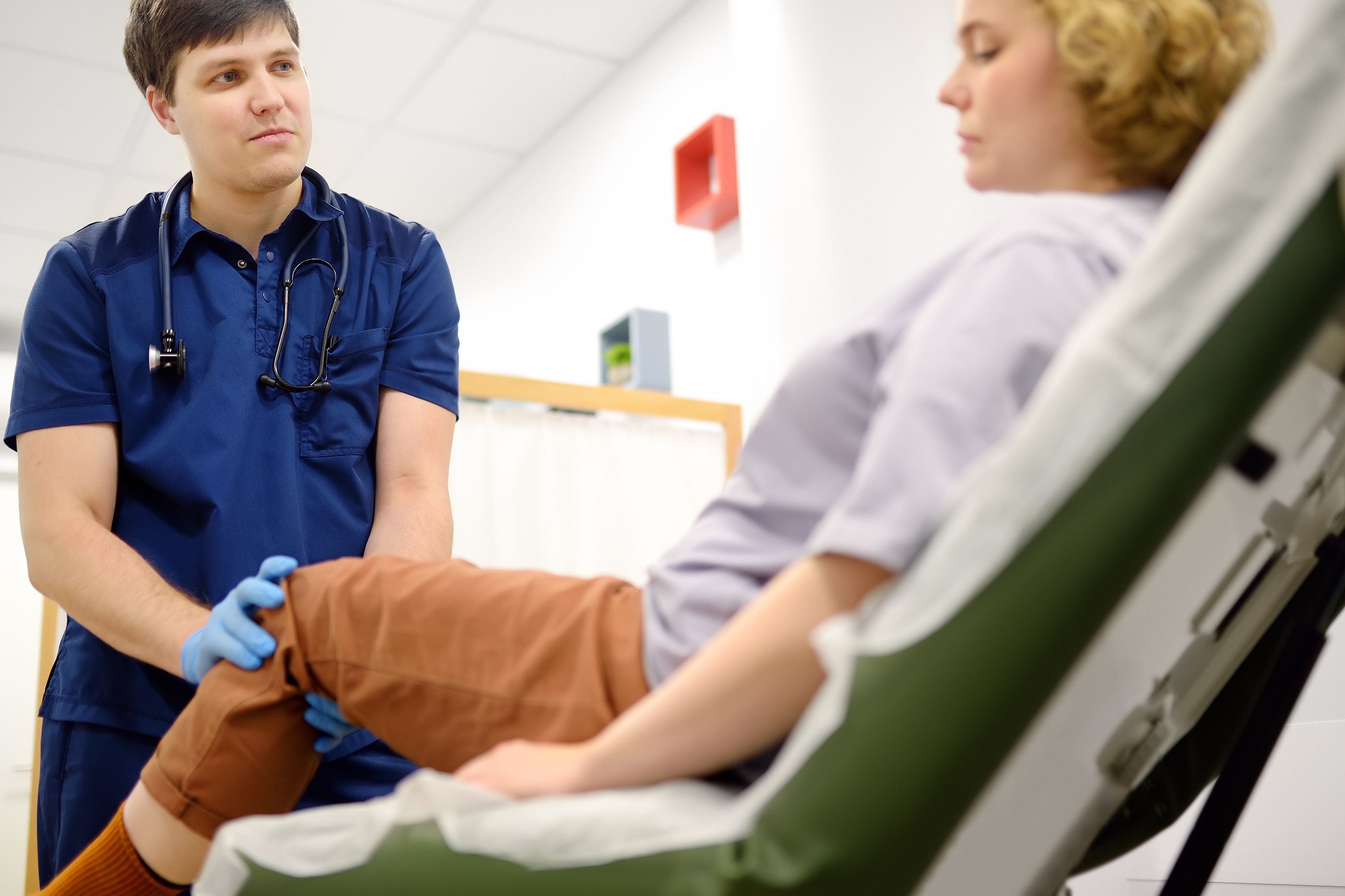
Gathering Your Medical History
Before your appointment, it's important to gather your medical history.
This includes any previous diagnoses, surgeries, and family history of autoimmune diseases. Having this information readily available will help your rheumatologist make an accurate assessment.
Make a list of all medications and supplements you are currently taking. Include the dosage and frequency. This ensures that your doctor can evaluate potential interactions and adjust treatments as necessary.
Documenting Symptoms
Be prepared to discuss your symptoms in detail. Consider keeping a symptom diary in the weeks leading up to your appointment. Note when symptoms occur, their intensity, and any potential triggers. This pattern can provide valuable insights into your condition.

Questions to Ask Your Rheumatologist
Arrive at your appointment with a list of questions. Here are some ideas:
- What could be causing my symptoms?
- What tests will I need?
- What are the treatment options?
- How can I manage symptoms at home?
These questions can help you gain a clearer understanding of your health and the path forward.
Understanding Diagnostic Tests
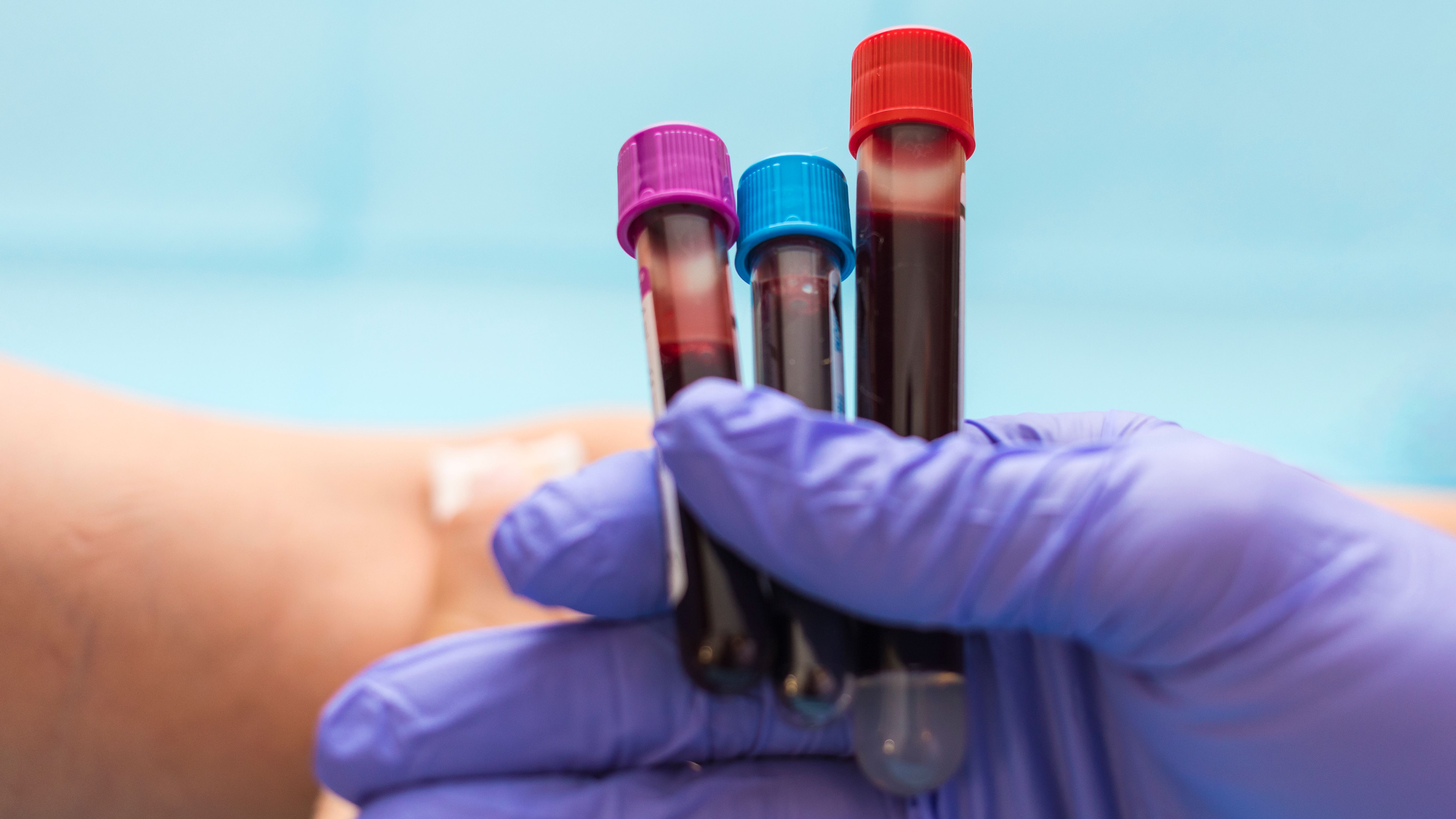
Your rheumatologist may order various tests to diagnose your condition accurately. Common tests include blood tests, X-rays, and MRIs. Understanding what these tests involve can alleviate any anxiety and help you prepare mentally.
Preparing for Lifestyle Changes
Depending on your diagnosis, your rheumatologist may recommend lifestyle changes. These could include dietary adjustments, physical therapy, or exercise routines tailored to your condition. Being open to these changes can significantly enhance your quality of life.
Consider joining support groups or online communities for individuals with similar conditions. Sharing experiences and tips can be incredibly beneficial.
Follow-Up and Ongoing Care
After your initial appointment, follow-up visits will likely be essential to monitor your progress. Keep track of any changes in symptoms and communicate these with your rheumatologist. Consistent communication is key to effective management and treatment.

Conclusion
Preparing for your first rheumatology appointment involves gathering information, understanding your symptoms, and being ready to discuss potential lifestyle changes. With the right preparation, you can take a proactive role in your healthcare journey, leading to better outcomes and improved well-being.